

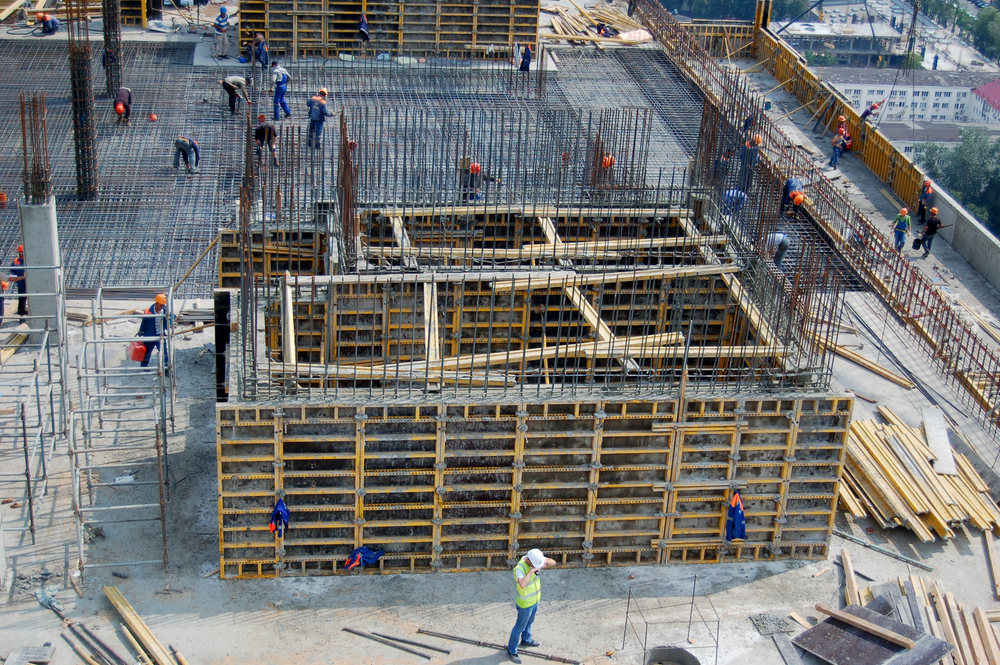
Spring represents an ideal time for commercial construction projects in Bucks County, Pennsylvania. As temperatures moderate and winter weather subsides, businesses can take advantage of favorable conditions to develop their commercial spaces. Whether you are planning a new building, renovation, or expansion, understanding the nuances of spring commercial build projects in this region is essential for success.
Spring Construction Advantages in Pennsylvania
Spring commercial build season offers distinct advantages for businesses planning construction in Bucks County. The moderate temperatures create optimal working conditions for crews, allowing them to operate efficiently without the challenges posed by winter ice or summer heat. Pennsylvania’s unpredictable spring weather requires careful planning, but the overall season typically provides more stable conditions than fall or winter months.
The construction planning phase becomes simpler when weather cooperates. Your contractors can establish consistent schedules without frequent weather-related delays. Material deliveries proceed more smoothly, and workers maintain higher productivity levels. For commercial project management teams, this means fewer complications and more predictable timelines. Starting your spring commercial build in Langhorne or other parts of Bucks County during the early season maximizes these advantages.
Spring also marks the beginning of the fiscal year for many businesses. This timing allows companies to complete construction projects before summer when customer traffic typically increases. Retail establishments, restaurants, and service-based businesses benefit from completing renovations or expansions before peak seasons arrive. Planning your commercial build in PA during spring ensures your improved facilities are operational when demand peaks.
Navigating PA Construction Regulations and Permits
Before beginning any spring commercial build project in Bucks County, understanding Pennsylvania construction regulations is crucial. The state maintains specific building codes that all commercial projects must follow. These regulations cover everything from structural requirements to electrical systems, plumbing, and safety features. Failure to comply with these codes can result in project delays, fines, or forced modifications during construction.
Securing proper permits represents one of the most important aspects of construction planning in Pennsylvania. Bucks County municipalities each maintain their own permitting processes, though they operate within the state’s overall framework. If your project is in Langhorne or another specific township, research that municipality’s requirements early. Different jurisdictions have varying timelines for permit approval, ranging from a few weeks to several months.
Your commercial project management team should allocate sufficient time for the permit acquisition process before breaking ground. Starting this process during winter months means permits can be finalized by spring, allowing immediate construction commencement. Rushing the permit phase often leads to oversights that create problems later. Professional contractors familiar with Bucks County PA regulations can guide you through this process efficiently.
Environmental considerations also affect construction planning. Sites in Pennsylvania may require environmental assessments, especially if they previously housed industrial uses. Wetland surveys, soil testing, and contamination evaluations might be necessary. These assessments take time but are non-negotiable for regulatory compliance. Including these requirements in your timeline from the beginning prevents mid-project surprises.
Budgeting and Timeline Considerations for Your Build
Creating an accurate budget represents a fundamental component of any commercial build project. Spring construction in Bucks County typically costs more than winter construction due to higher demand for contractors and materials. Labor costs rise as competition for skilled workers increases. Material prices may fluctuate based on supply chain conditions. Your construction planning should account for these seasonal cost increases.
Developing a realistic timeline requires honest assessment of multiple factors. Project scope, site conditions, weather patterns, and contractor availability all influence how long your spring commercial build will take. A simple renovation might require three to six months, while a new commercial building could take eighteen months to two years. Complex projects involving specialized systems or custom features need even longer timelines.
Weather contingencies should be built into every timeline for PA projects. Spring brings unpredictable conditions including rain, flooding, and occasionally late-season snow. Plans should include buffer time for weather delays. This is especially important in Langhorne and other low-lying areas of Bucks County prone to water accumulation. Experienced contractors factor in weather variables when providing project schedules.
Budget padding for unexpected expenses is equally important. Most commercial projects encounter surprises during construction, whether hidden structural damage, code requirement changes, or design modifications. Building a contingency reserve of ten to twenty percent of your total budget protects you from financial strain when these situations arise. This approach allows your commercial project management process to remain flexible without derailing the entire initiative.
Selecting the Right Contractor for Commercial Project Management
Finding an experienced contractor familiar with commercial build projects in Bucks County, Pennsylvania is essential. Look for contractors with a proven track record in your specific industry or project type. A contractor experienced with retail builds may not have the expertise needed for medical office construction or industrial facilities. Request references and examine completed projects that match your requirements.
Your commercial project management success depends significantly on contractor communication and transparency. Professional contractors provide clear schedules, regular updates, and detailed budgeting breakdowns. They explain potential issues before they become problems and offer solutions rather than excuses. Interview multiple contractors, compare proposals, and ask detailed questions about their approach to spring construction in PA.
Verify that contractors carry appropriate licensing, insurance, and bonding for work in Bucks County. Pennsylvania requires specific licensing for general contractors and various trade specialists. Insurance protects you if accidents occur on your property. Bonding ensures contractors complete the work or compensate you for losses. Never hire anyone without these credentials, regardless of how competitive their pricing seems.
Local knowledge matters significantly when planning a spring commercial build in Langhorne or elsewhere in Bucks County. Contractors familiar with the region understand local soil conditions, drainage patterns, environmental sensitivities, and supplier relationships. This knowledge streamlines your project and reduces surprises. A contractor who has successfully completed multiple projects in your area likely understands what to expect and how to address it effectively.
Preparing Your Site and Minimizing Disruptions
Site preparation forms the foundation of successful spring construction planning. Before contractors arrive, ensure utilities are marked, the property is cleared of obstacles, and necessary easements are established. This preparation prevents costly delays once work begins. In Langhorne and other Bucks County locations, ground conditions often require assessment before the spring commercial build can commence properly.
Managing disruptions to your existing business operations requires careful planning. If continuing operations during construction, coordinate with contractors about access routes, noise schedules, and material delivery times. Establish clear boundaries between work areas and operational spaces. Communication with your employees and customers about upcoming construction maintains confidence and manages expectations.
Traffic flow and parking considerations become important for retail or service-based commercial projects. Spring construction may temporarily reduce parking availability or alter traffic patterns. Informing customers in advance about construction activities prevents frustration and maintains customer relationships. Clear signage and alternative parking solutions show professionalism and consideration.
Environmental protection during construction protects your property and the surrounding community. Contractors should implement erosion controls, dust suppression, and storm water management measures. Spring weather in Pennsylvania brings heavy rains that can cause soil erosion and sedimentation issues. Proper environmental safeguards prevent regulatory violations and environmental damage. Your commercial project management oversight should include regular environmental compliance verification.
Conclusion
Planning a spring commercial build in Bucks County requires careful attention to multiple factors including Pennsylvania regulations, budgeting, contractor selection, and site preparation. Spring offers ideal conditions for construction work when you leverage this season strategically. Starting your construction planning process well in advance, selecting experienced contractors familiar with the region, and maintaining realistic timelines and budgets positions your project for success.
Whether your spring commercial build occurs in Langhorne or another Bucks County location, thorough preparation makes the difference between a smooth project and a frustrating experience. Working with professionals who understand Pennsylvania’s construction environment and local requirements ensures compliance and quality. Begin your construction planning immediately if you intend to start a spring commercial build, allowing sufficient time for permits, contractor selection, and site preparation. Your commercial project management success depends on starting this process now so everything aligns perfectly when warmer weather arrives.