

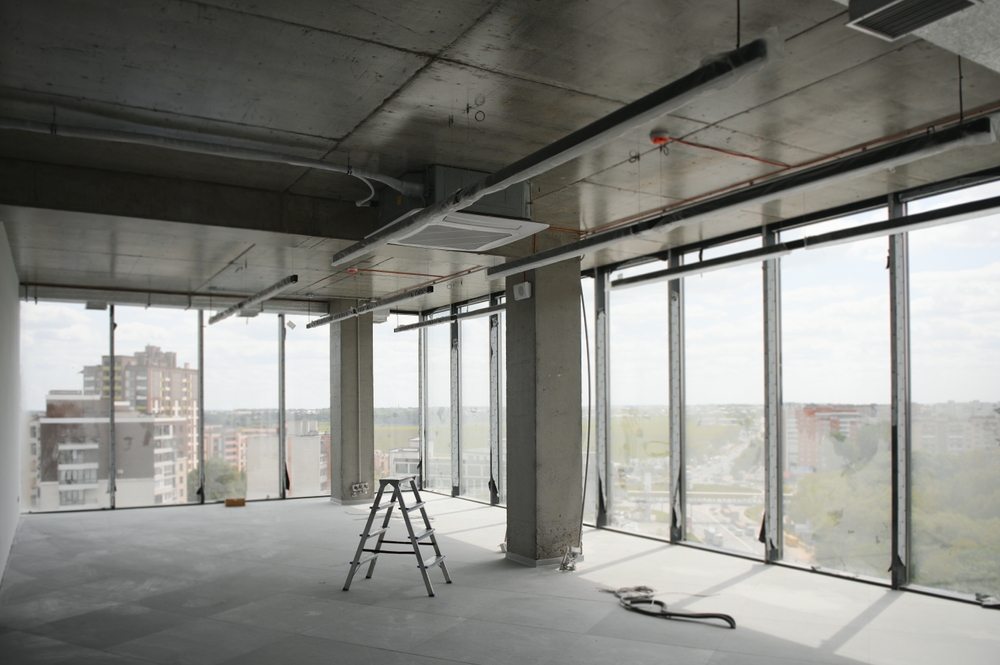
Commercial buildings across Bucks County range from historic properties and established Main Street storefronts to offices, warehouses, medical facilities, and newer suburban commercial spaces. For property owners and facility managers in Langhorne, modernization often means balancing energy efficiency, electrical capacity, building performance, and current code requirements without creating unnecessary business disruption.
Modernizing a commercial facility typically starts with evaluating the building’s electrical, lighting, HVAC, controls, and power-distribution systems. Strategic upgrades can reduce wasted energy, improve reliability, support newer equipment, and help a property meet applicable construction requirements. Because many commercial alterations require permits and inspections, planning efficiency and compliance together can make the improvement process more manageable.
What Bucks County property owners should know
-
Energy-efficient lighting, controls, HVAC equipment, and electrical improvements can reduce unnecessary energy use while improving building functionality.
-
Commercial alterations in Langhorne Borough often require permits, even when the scope of work appears relatively small.
-
Older commercial properties throughout Lower Bucks County may need electrical infrastructure improvements before adding high-demand equipment or modern building systems.
-
Projects involving new electrical work, HVAC systems, EV chargers, subpanels, and other improvements may trigger permit and inspection requirements.
-
Planning commercial upgrades as part of a coordinated modernization strategy can help businesses avoid replacing one system only to discover that another system cannot support it.
Why Commercial Modernization Matters in Bucks County
Commercial modernization matters in Bucks County because existing buildings must support modern electrical loads, comfort expectations, energy goals, and applicable construction requirements. Properties in communities such as Langhorne, Bensalem, Bristol, Yardley, and Newtown can vary considerably in age and design, making a building-specific evaluation an important first step.
Langhorne Borough itself has a long architectural history and includes a National Register Historic District. That local context can make renovations more complex than simply replacing equipment. Exterior work within the historic district may require review by the Historic Architectural Review Board before building or zoning permits can proceed.
At John G. Moser & Son, Inc., we understand that commercial electrical improvements need to work within the realities of the property. Our goal is to help businesses consider capacity, efficiency, safety, and future needs together rather than treating every upgrade as an isolated project.
Local Code Requirements Should Be Part of Upgrade Planning
Code compliance should be considered before commercial modernization begins because Pennsylvania construction requirements and local permitting rules can affect project design, equipment selection, and scheduling. Pennsylvania uses the statewide Uniform Construction Code, while municipalities may administer and enforce applicable requirements locally.
Pennsylvania’s Uniform Construction Code underwent a triennial update effective January 1, 2026, according to the Pennsylvania Department of Labor & Industry. Commercial property owners planning significant improvements should therefore avoid assuming that requirements from a previous renovation still apply to a new project.
Langhorne Borough also states that most alterations to commercial buildings require a building permit, regardless of size. New electrical work, including new home runs, additional lights, outlets, switches, subpanels, and EV chargers, is specifically identified among work that can require permitting.
The exact permits and code requirements depend on the property, location, scope, and type of work, so the applicable municipal code official should be consulted when requirements are uncertain.
Smart Energy Upgrades Can Improve Commercial Building Performance
Smart energy upgrades can improve building performance by reducing unnecessary consumption and giving facility operators better control over when and how electrical systems operate. In Bucks County commercial properties, the most effective strategy usually begins with identifying where outdated equipment, poor controls, or inefficient operating patterns are creating avoidable demand.
Potential improvements may include:
-
LED lighting upgrades
-
Occupancy and vacancy sensors
-
Lighting controls and scheduling
-
Updated electrical panels and distribution equipment
-
Energy-conscious HVAC electrical improvements
-
Building controls and automated scheduling
-
Dedicated circuits for new commercial equipment
-
EV charging infrastructure where appropriate
Not every property needs every technology. A small professional office near Langhorne has different electrical demands than a warehouse along a major Lower Bucks County commercial corridor. Modernization should reflect how the facility is actually occupied and operated.
Warning Signs a Commercial Facility May Be Ready for an Upgrade
A commercial facility may be ready for modernization when electrical limitations, aging equipment, rising maintenance needs, or inefficient operation begin interfering with normal business activities. Property managers should pay particular attention when an older Bucks County building is being adapted for new equipment, additional tenants, or higher electrical demand.
Common warning signs include:
-
Frequently tripped breakers or recurring electrical problems
-
Panels with little remaining capacity for planned equipment
-
Outdated fluorescent or other inefficient lighting
-
Dark or inconsistently illuminated work areas
-
Limited control over lighting schedules
-
Reliance on extension cords or temporary power arrangements
-
Electrical infrastructure that cannot readily support new equipment
-
Planned EV chargers, HVAC upgrades, or tenant improvements that increase electrical demand
These signs do not automatically mean a complete electrical replacement is necessary. They do indicate that a professional evaluation may be worthwhile before additional loads are installed.
When to Call a Commercial Electrical Professional
A commercial electrical professional should become involved when modernization affects wiring, circuits, panels, service capacity, controls, equipment connections, or other permanent electrical systems. Business owners can monitor energy use and identify operational problems, but electrical design, installation, and code-related work should not become a trial-and-error maintenance project.
This is especially relevant in Langhorne because the Borough identifies new electrical installations and most commercial alterations as work that may require permits. Depending on the project, inspections can include rough electrical and final inspection.
Early electrical planning can also uncover capacity limitations before equipment is purchased or construction schedules are finalized.
Common Causes of Energy Waste in Local Commercial Buildings
Energy waste in Bucks County commercial facilities commonly comes from outdated equipment, unnecessary operating hours, inadequate controls, and systems that no longer match how the building is used. Older properties and facilities that have been modified repeatedly over the years can be especially likely to contain a mixture of newer and legacy electrical equipment.
Common causes include:
-
Outdated lighting: Older lighting technologies may consume more electricity than modern alternatives while providing poorer illumination.
-
Lights operating in empty areas: Storage rooms, offices, restrooms, and back-of-house areas may remain illuminated when no one is present.
-
Poor scheduling: Equipment that runs after closing can add unnecessary operating hours.
-
Incremental electrical additions: Years of equipment changes can leave circuits and panels poorly suited to current loads.
-
Aging controls: Older switches and control strategies may provide little flexibility for managing energy use.
A facility assessment can help distinguish upgrades that offer practical operational value from technology that does not fit the property.
Prevention and Maintenance Start With Regular Electrical Review
Preventive maintenance starts with paying attention to changing electrical demands rather than waiting for a failure or major renovation. Bucks County businesses should review their facilities when adding equipment, changing tenants, expanding operations, replacing major HVAC systems, or planning other improvements that could affect electrical loads.
Facility personnel can safely track recurring breaker trips, failed lights, unusual equipment behavior, and changes in energy use. Electrical panels should remain accessible, and staff should avoid treating repeated electrical problems as normal.
Work inside electrical equipment, modifications to permanent wiring, and troubleshooting involving energized systems should be left to qualified professionals.
What Results Can Businesses Expect From Modernization?
Businesses can expect a well-planned modernization project to improve specific aspects of building performance, such as lighting quality, system control, available electrical capacity, reliability, or energy efficiency. Results depend on existing conditions, operating schedules, equipment choices, and the scope of the improvements.
For example, lighting controls may reduce unnecessary operating hours, while panel or distribution upgrades may provide the capacity needed for future equipment. A modernization project can also create an opportunity to address code and permitting considerations at the same time.
Energy savings should never be assumed without examining the facility. Actual consumption depends heavily on operating patterns and building use.
Common Commercial Modernization Mistakes
Commercial modernization mistakes often occur when businesses select equipment before evaluating electrical capacity, permit requirements, or long-term facility plans. A better approach is to treat modernization as a coordinated project in which efficiency, infrastructure, compliance, and future expansion are considered together.
Mistake: Replacing equipment without checking electrical capacity.
Consequence: New equipment may require circuit, panel, or service changes.
Better approach: Evaluate electrical requirements before purchasing or scheduling installation.
Mistake: Assuming a small alteration does not need a permit.
Consequence: Work may face delays or additional corrections.
Better approach: Confirm requirements with the municipality before work begins.
Mistake: Focusing only on immediate energy savings.
Consequence: The project may overlook reliability or future capacity.
Better approach: Consider how the facility is likely to operate several years from now.
A Common Langhorne Commercial Modernization Scenario
A common Langhorne scenario involves an established commercial property preparing for new equipment, renovated tenant space, or upgraded HVAC and lighting systems. The new equipment may be efficient, but the existing electrical infrastructure was designed around an earlier use of the building and may not provide the required circuits or capacity.
This is not a specific John G. Moser & Son, Inc. project or case study. It illustrates why commercial modernization benefits from evaluating the electrical system before individual upgrades are installed.
By reviewing infrastructure, loads, controls, and permitting considerations together, a business can develop a more logical sequence for improvements.
Related Electrical Solutions for Commercial Properties
Commercial electrical solutions can support modernization by addressing both the equipment businesses use today and the infrastructure required for future growth. Depending on the facility, the appropriate work may involve lighting, controls, circuits, panels, distribution equipment, equipment connections, or other electrical improvements.
We can help businesses evaluate electrical needs associated with facility improvements and determine which upgrades deserve priority. The goal is to build an improvement plan around the actual property rather than recommending technology simply because it is new.
Comparing Targeted Upgrades With a Broader Modernization Plan
Targeted upgrades are appropriate when a facility has a clearly defined problem, while broader modernization planning makes sense when several building systems are aging or new electrical demands are expected. Bucks County property owners should compare immediate needs with future plans before deciding how extensive a project should be.
A lighting-only project may be practical when the electrical infrastructure is otherwise adequate. A facility adding HVAC equipment, EV charging, machinery, or significant tenant improvements may benefit from evaluating distribution capacity at the same time.
The better option is the one that addresses current needs without creating avoidable obstacles for planned improvements.
Service Areas
Commercial electrical modernization is relevant throughout Lower Bucks County, where building age, use, and electrical demands vary widely between communities. We serve businesses in Langhorne and surrounding areas, with projects evaluated according to the needs of the individual property and applicable local requirements.
The Cost of Delaying Needed Electrical Improvements
Delaying needed electrical improvements can increase the likelihood that capacity limitations, inefficient equipment, or recurring electrical problems interfere with future renovations and daily operations. Waiting can also make modernization more complicated when several upgrades eventually have to be completed under a tight business deadline.
For an area business, downtime and construction scheduling can matter as much as equipment cost. Addressing known infrastructure limitations during planned improvements may be easier than discovering them after new equipment has arrived or a tenant renovation is underway.
Frequently Asked Questions About Commercial Facility Modernization
Commercial facility modernization questions usually center on energy efficiency, permits, electrical capacity, project timing, and how to prioritize improvements. For Bucks County businesses, the answers also depend on the municipality and building because local administration, existing conditions, property age, and project scope can affect what work is appropriate.
Do commercial electrical upgrades require permits in Langhorne?
Many commercial electrical upgrades in Langhorne can require permits. Langhorne Borough states that most commercial alterations require a building permit and identifies new electrical work among projects requiring permits. Because requirements depend on the exact scope, property owners should confirm current requirements with the Borough before beginning work.
What energy-efficient electrical upgrade should a Bucks County business consider first?
The best first upgrade depends on how the facility currently uses energy. Lighting and controls are logical areas to evaluate, but buildings with aging panels, limited capacity, or planned equipment additions may need infrastructure work first. An assessment can help prioritize improvements according to operational needs rather than choosing upgrades based only on potential energy savings.
Can an older Langhorne commercial building support EV chargers?
An older commercial building may support EV chargers, but existing electrical capacity needs to be evaluated first. The charger type, number of charging ports, service capacity, existing loads, and distribution equipment all affect the project. Langhorne Borough specifically identifies EV chargers among new electrical work that may require permitting.
Are code requirements the same throughout Bucks County?
Pennsylvania’s Uniform Construction Code provides statewide requirements, but code administration and local permitting procedures can vary by municipality. A commercial project in Langhorne may therefore have a different review process from one in Bensalem, Bristol, Yardley, or another Bucks County community. Always confirm requirements for the property’s actual municipality.
Does energy efficiency require replacing an entire electrical system?
No, improving energy efficiency does not automatically require replacing an entire electrical system. Some properties benefit from targeted lighting or control upgrades, while others need distribution improvements to accommodate newer equipment. Existing conditions should determine the scope instead of assuming either a minor retrofit or complete replacement is necessary.
Should Bucks County businesses modernize lighting before HVAC equipment?
The order should be based on the facility’s condition, operating needs, and planned improvements. If both lighting and HVAC work are being considered, reviewing their electrical requirements together can reveal opportunities to coordinate circuits, controls, scheduling, and construction. This can be especially useful when renovations would otherwise occur in separate phases.
What should a business check before adding new commercial equipment?
A business should verify the equipment’s electrical requirements, available circuit and panel capacity, service limitations, installation location, and applicable permit requirements before purchasing or installing new equipment. This is particularly useful in older Bucks County commercial properties where previous additions may already use much of the available electrical capacity.
Are historic properties in Langhorne subject to additional review?
Exterior work within Langhorne Borough’s historic district can require Historic Architectural Review Board review before the Borough processes building or zoning permits. The exact review depends on the project. Businesses occupying historic properties should investigate these requirements early so that approval steps can be incorporated into the modernization schedule.
Build a More Efficient, Capable Commercial Facility
Modernizing a Bucks County commercial property is most effective when energy efficiency, electrical capacity, code requirements, and future operations are considered together. A thoughtful plan can help businesses make improvements in the right sequence while reducing surprises during construction.
Prepare Your Bucks County Facility for What Comes Next
We can help evaluate the electrical side of your commercial modernization plans and identify practical improvements based on your facility’s current and future needs.