

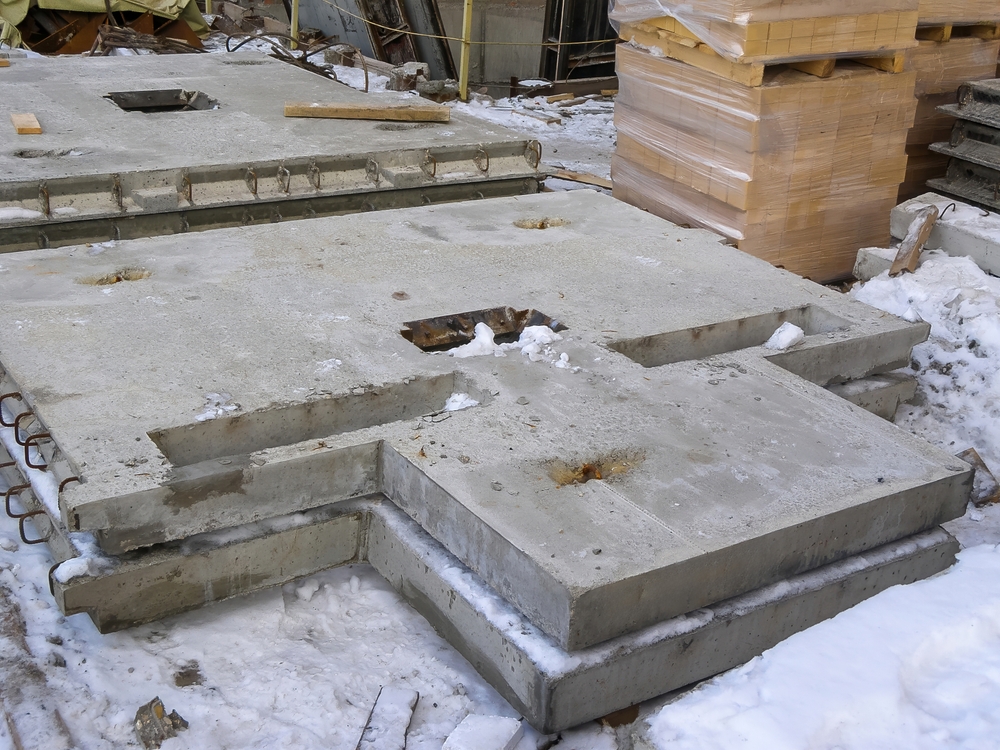
Winter construction in Langhorne, PA requires a careful balance of planning, execution, and oversight to maintain high commercial construction standards. The region experiences fluctuating temperatures, frequent freeze thaw cycles, and occasional snowfall that can significantly impact project progress and material performance. Maintaining winter building quality means that every phase of the project must adapt to the season rather than pause because of it. Contractors in Langhorne have embraced techniques that allow essential work to continue while keeping structural integrity and long term durability at the forefront.
Cold temperatures affect nearly all building materials in ways that can influence performance. Concrete cures more slowly, adhesives may lose bond strength, and moisture intrusion becomes a greater concern. When temperatures dip below freezing, the risks intensify since frozen materials can crack, warp, or experience surface defects that shorten their lifespan. The success of a winter build relies heavily on understanding these limitations and creating a plan that anticipates issues before they arise. Preparing for these conditions is part of maintaining winter building quality and ensures that both schedules and standards remain intact.
Planning for Seasonal Conditions in Winter Construction
Effective winter construction begins long before temperatures drop. Comprehensive planning is the most influential factor in ensuring the work meets expected commercial construction standards despite unpredictable weather. Contractors in Langhorne must evaluate everything from site access and storage to heating needs and material handling procedures. This planning phase includes determining when to pour concrete, identifying which phases can progress under colder conditions, and incorporating contingencies so the project can adjust when weather shifts rapidly.
Scheduling is particularly important for construction projects in PA due to the potential for extended cold spells. Critical tasks that depend on mild weather must be strategically placed earlier or later in the timeline so they are not compromised by freezing temperatures. Other tasks, such as interior work, can be intentionally planned for the coldest months, allowing the team to stay productive while outdoor conditions remain difficult. Winter building quality improves significantly when the schedule respects seasonal limitations rather than trying to force tasks that are unlikely to succeed in harsh weather.
Planning also includes preparing for safety. Ice, snow, and limited daylight can increase the risk of accidents. Maintaining access paths, lighting work areas properly, and training teams on cold weather safety procedures supports both worker wellbeing and project quality. A well prepared team understands how to protect themselves and the structure they are building, which ultimately helps preserve the integrity of each phase of construction.
Protecting Materials and Equipment During Cold Weather
Material protection is a cornerstone of maintaining winter building quality in Langhorne. Many common construction materials require specific temperature ranges to perform correctly. Concrete must cure at a stable temperature to achieve its full strength. Masonry work needs protection from freezing, which can cause mortar to crack before it hardens. Even lumber can absorb moisture that later leads to warping or mold if not stored properly.
Contractors maintain commercial construction standards by ensuring all materials are stored in controlled environments whenever possible. Heated tents, insulated blankets, and temporary enclosures are used to keep materials dry and above freezing. These structures allow crews to prepare and assemble components in conditions that mimic warmer seasons, helping maintain the same level of workmanship that would be achieved in milder weather.
Equipment must also be winter ready. Machinery requires proper fluids, regular inspections, and specific operating practices to handle frigid temperatures. Cold can cause hydraulic systems to slow down, batteries to weaken, and engines to strain. Preventative maintenance and daily checks keep equipment reliable, which in turn keeps the project moving. If machinery fails, it can halt progress or interrupt tasks that must be completed within certain temperature windows. For this reason, winter construction teams in PA treat equipment care as a critical part of maintaining workflow consistency and quality.
Implementing Cold Weather Construction Techniques
Cold weather construction demands specialized techniques that preserve structural integrity and ensure commercial construction standards are met. One of the most significant practices used during winter builds in Langhorne involves managing heat around sensitive materials. For example, concrete pours often require heated enclosures, warm water mixes, or chemical accelerators that help it set correctly. These techniques allow the concrete to gain strength at a steady pace instead of weakening due to freezing conditions.
Heating is also crucial for interior installations such as drywall, flooring, and finishes. Many adhesives and coatings will not bond or cure properly in low temperatures. By using temporary heating systems, crews can create a stable environment that allows precision work to continue. This not only keeps the project on schedule but also ensures high quality results that will stand up over time.
Another essential technique involves moisture control. Winter in PA brings frequent freeze thaw cycles that can cause water to enter materials and expand when frozen. This expansion can produce cracks, gaps, or weakened structural connections. Construction teams use moisture barriers, sealed storage, and weather resistant coverings to prevent water infiltration. Buildings erected during winter must remain dry from start to finish, and proactive moisture management is one of the most effective ways to protect winter building quality.
In addition, site preparation often requires modifications that account for frozen ground or unpredictable precipitation. Soil compaction behaves differently in winter, so contractors evaluate soil conditions carefully before foundations are installed. If snow or ice accumulates, it must be cleared thoroughly to avoid contamination in foundations or subgrades. These adjustments ensure that the structure rests on a stable and properly prepared base despite seasonal challenges.
Maintaining Quality Control and Inspections Throughout Winter
Quality control is vital for any construction project, and it becomes even more important when working in winter conditions. Inspectors and project managers in Langhorne must verify that each step meets commercial construction standards regardless of the temperature outside. This includes monitoring concrete temperature, verifying proper curing times, checking moisture levels in stored materials, and ensuring temporary heating systems are functioning correctly.
Documentation also plays a key role in winter construction quality. Records of temperature readings, material handling procedures, and work conditions help confirm that every aspect of the build adhered to guidelines required for long term durability. These records become valuable references if any issues arise later because they demonstrate that proper precautions were taken throughout the project.
Communication among team members strengthens quality control. Crews must coordinate closely when weather changes suddenly or when tasks need to be adjusted based on daily conditions. This level of coordination ensures that no steps are rushed and that each phase is executed with precision. When teams remain attentive to detail, winter building quality in PA can match or even exceed the results achieved during warmer months.
Conclusion
Maintaining construction quality during winter builds in Langhorne, Pennsylvania is entirely achievable with preparation, expertise, and disciplined execution. When contractors plan for seasonal challenges, protect materials from harsh conditions, use specialized cold weather techniques, and maintain rigorous inspections, they uphold commercial construction standards that ensure safe and durable results. Winter may present obstacles, but it also offers opportunities to refine processes, strengthen teamwork, and demonstrate professional adaptability. With the right approach, winter building quality remains consistent, reliable, and aligned with the expectations of clients throughout PA.