

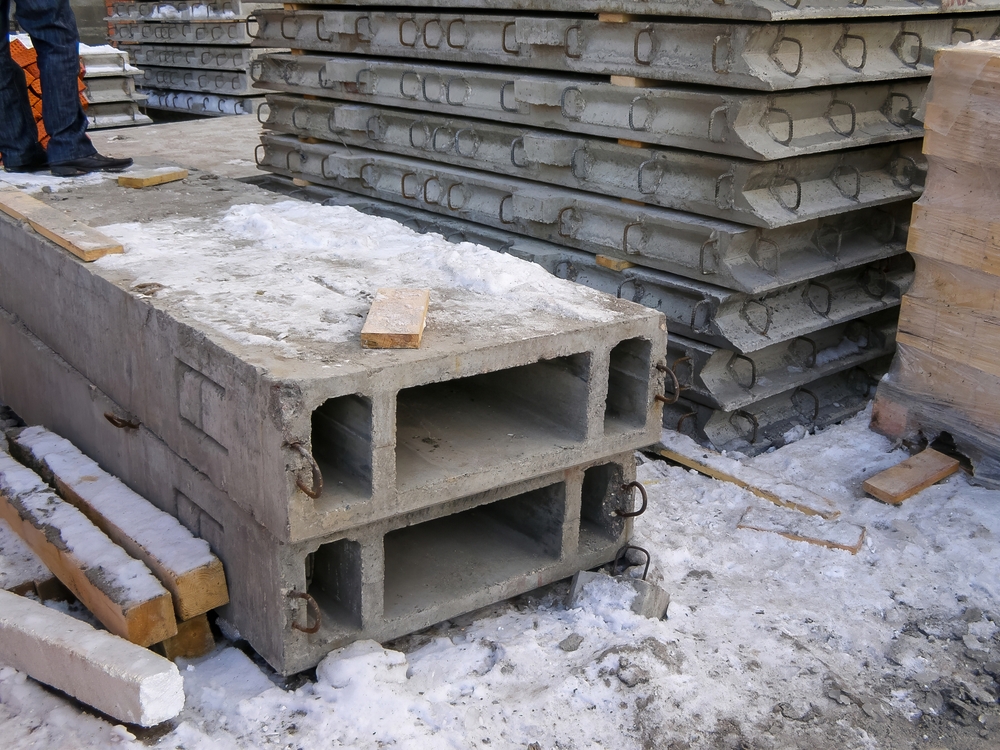
Winter in Langhorne, PA brings a mix of cold temperatures, snow, ice, and unpredictable weather patterns. These conditions influence nearly every phase of commercial building projects, from early site planning to final inspections. Construction firms in the region understand that winter construction challenges can slow timelines, affect material performance, raise costs, and introduce safety risks. For property owners, developers, and project managers, understanding how winter conditions shape the construction environment helps with setting expectations, planning effectively, and maintaining momentum even during the coldest months.
Langhorne experiences winter weather that often fluctuates between freeze and thaw cycles. This creates unique obstacles that do not appear as frequently in milder climates. Even with advanced technology and strong project management, commercial construction crews must adapt to these seasonal realities. The goal is always to continue work efficiently while protecting workers, materials, and the structural integrity of the project. The following sections explore the major ways winter affects construction activity in the Langhorne region and how professionals address those concerns.
Temperature Effects on Building Materials and Equipment
Cold temperatures create several material related challenges that can slow commercial building progress in PA. Concrete is one of the biggest areas of concern, since it requires controlled curing conditions. When temperatures drop too low, concrete can fail to set properly, which leads to weakened strength or cracking. Crews often need to use heated enclosures or additives to support proper curing during winter. These steps help maintain structural integrity but also add time and cost.
Steel and metal components can also react to winter conditions. Extremely cold temperatures make steel more brittle, which means handling and installation must be done with extra caution. Equipment hydraulics can move more slowly as fluids thicken in colder weather. Machinery engines often require warm ups before full operation. All of these simple changes accumulate over time and influence productivity.
Commercial construction in Langhorne must also account for snow and ice buildup on scaffolding, cranes, and work surfaces. These hazards slow crews and increase cleanup duties before work can begin each day. Even material deliveries may be delayed when winter storms strike the region. Successful winter construction therefore depends on planning that accounts for slower equipment response and the added complexity of seasonal conditions.
Soil, Ground Conditions, and Site Preparation
Ground conditions shift dramatically during the winter in Langhorne. Soil can freeze deeply, which complicates excavation, grading, trenching, and foundation work. Heavy machinery may struggle to break frozen ground, and deeper frost layers can alter moisture content beneath the surface. These conditions increase the difficulty of achieving proper compaction, a critical step in any commercial building project. Improperly compacted soil can lead to long term structural issues, so winter ground preparation must be handled with exact precision.
The freeze thaw cycle is another concern. When temperatures rise above freezing during the day and then drop overnight, soil repeatedly expands and contracts. This movement can create instability around trenches or partially completed foundations. Construction teams often stabilize the site using insulated blankets or heating methods to prevent excessive frost penetration.
Drainage also becomes vital in the winter months. Melting snow can create water accumulation in excavation areas. Standing water can freeze again, leading to slippery conditions and potential damage to equipment or materials. In a region like PA where temperature swings are common, planning for proper drainage and ground protection is one of the most important steps in supporting consistent progress during winter construction challenges.
Worker Safety and Productivity in Cold Environments
Winter brings safety concerns that can significantly impact crew performance on commercial construction sites in Langhorne. Cold stress, frostbite risk, reduced visibility during snowfall, and icy surfaces all contribute to a more hazardous work environment. Construction companies commit extra time and resources to maintaining safe conditions, including increased monitoring of walkways, more frequent breaks for warming, and additional layers of protective gear.
These safety measures are essential but they also affect daily productivity. Tasks that would take a shorter amount of time in warmer seasons may extend longer due to protective routines. Workers move more cautiously on icy surfaces, and lifting or handling materials becomes more challenging with heavy gloves and thick clothing. Shorter daylight hours further reduce the available work window.
Supervisors also conduct more frequent safety inspections during winter. They must assess whether conditions are suitable for specific tasks, especially those involving elevations or heavy equipment. If snowfall or freezing rain occurs, operations may be halted temporarily. While safety always comes first, these pauses can affect overall timelines for commercial building projects.
Scheduling, Logistics, and Cost Adjustments
Winter weather in PA complicates scheduling and logistics for commercial construction. Delivery trucks face hazardous road conditions that can delay shipments of steel, concrete, lumber, and mechanical equipment. Storms may shut down transport routes entirely for short periods. Even when deliveries arrive, unloading may take longer due to icy ground or limited workspace.
To manage these winter construction challenges, project managers in Langhorne often build contingency time into schedules. They may shift certain tasks to earlier or later in the season. For example, exterior concrete pours or roofing installs may be planned for milder days, while interior work is prioritized during the coldest periods. This flexible approach helps maintain project continuity even when winter disrupts original plans.
Costs can also rise due to the need for winter protection materials such as thermal blankets, heating systems, tented enclosures, and anti icing treatments. Energy consumption increases when heating large workspaces. Labor costs may rise as well because tasks take longer and require additional preparation. Budgeting for these seasonal realities is essential for keeping a commercial building project on track financially.
While winter construction is not impossible, it does require experienced planning and an understanding of local weather patterns. Commercial builders in Langhorne are familiar with these challenges and use proven techniques to minimize delays while maintaining high quality standards.
Strategies Used by Professionals to Overcome Winter Obstacles
Despite the obstacles presented by cold temperatures and winter storms, experienced construction teams in PA know how to continue moving projects forward. One of the most valuable strategies is early preparation. Before winter arrives, teams identify the tasks that are most sensitive to cold weather, such as exterior finishing, concrete placement, and foundation work. Completing these steps early can prevent major delays once temperatures begin to fall.
Another strategy is the use of temporary structures. Heated tents, work shelters, and insulated enclosures provide stable environments where workers can continue tasks that cannot be paused. These structures protect both workers and materials, and they also create a more predictable work environment.
Construction teams also rely on modern technology. Weather monitoring tools help project managers plan around storms and identify ideal windows for outdoor tasks. Specialized additives for concrete and cold weather rated materials support structural performance. Improved equipment design allows machinery to function more reliably in cold conditions.
Experienced leadership is crucial as well. Managers must assess risks daily and modify work plans as needed. They must also communicate clearly with crews and clients about schedule adjustments. In a winter environment, adaptability becomes a defining trait of successful commercial building operations.
Conclusion
Winter weather significantly impacts commercial construction in Langhorne, PA. Cold temperatures, snow, ice, and fluctuating ground conditions create a complex environment that demands expertise and careful planning. Material performance changes, equipment becomes more difficult to operate, and worker safety becomes a central concern. Scheduling and logistics require more flexibility, and overall costs can rise due to protective measures and seasonal slowdowns.
Even with these challenges, commercial construction does not have to come to a halt. Professionals in the region understand how to work within winter limitations while continuing to move projects forward. Through thoughtful planning, protective strategies, advanced technology, and strong leadership, winter construction challenges can be managed effectively. For developers and businesses investing in commercial building projects, awareness and preparation are key to maintaining progress throughout the colder months.