

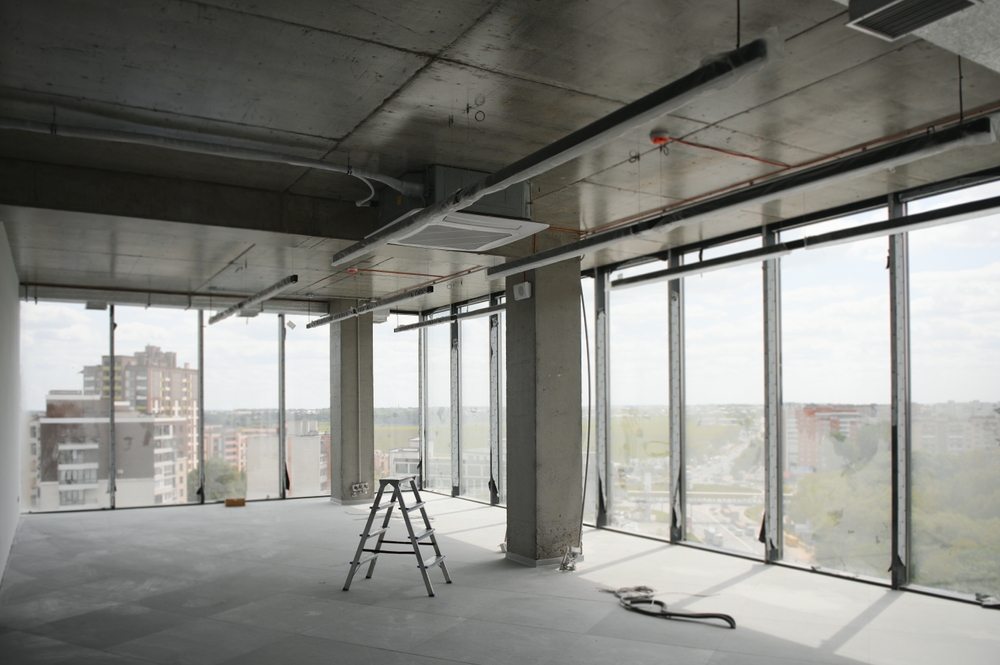
Commercial construction is a long-term investment, and timing plays a major role in the overall success of any building endeavor. In Pennsylvania, the shift from winter to spring offers a valuable window of opportunity for developers, business owners, and construction contractors alike. With its unique combination of favorable weather, increased daylight, and economic activity, spring is widely considered the optimal season to kick off commercial construction projects across cities like Langhorne, PA, and beyond.
Ideal Weather Conditions for Spring Construction in Pennsylvania
Pennsylvania’s harsh winters can bring construction activity to a near standstill, especially in regions where snow, ice, and sub-freezing temperatures are common. During the cold months, commercial construction projects can face delays, hazardous working conditions, and increased costs due to the need for specialized heating equipment and temporary weatherproofing measures.
Spring, however, marks the transition to a more temperate climate. The ground begins to thaw, and average daily temperatures rise steadily, making excavation, foundation work, and structural builds far more efficient and predictable. For any spring construction in Pennsylvania, this season reduces weather-related risks and allows crews to work more consistently. With fewer interruptions from snowstorms or freezing rain, contractors can maintain momentum, adhere to schedules, and complete early phases of construction with fewer setbacks.
Additionally, spring tends to have less humidity compared to summer, which benefits certain materials used in commercial building projects. For instance, concrete and asphalt tend to cure more effectively in mild conditions, ensuring a solid base for roads, parking lots, and foundations. This natural advantage makes spring an excellent time to initiate key components of a commercial project.
Longer Daylight Hours Improve Productivity
As spring arrives, daylight hours extend noticeably. This natural increase in available light has a significant impact on commercial construction efficiency. Longer workdays mean crews can get more done without needing to rely on artificial lighting, which not only adds to energy costs but also poses logistical challenges on outdoor construction sites.
More daylight leads to better visibility for workers and equipment operators, improving safety and reducing the risk of accidents. The ability to work earlier in the morning and later into the evening enables construction contractors to meet project milestones faster, especially in the early stages of a development.
In locations like Langhorne, PA, where local businesses often plan expansions or renovations during the spring, the extended daylight is a practical advantage that allows contractors to progress at a steady pace. For property owners and developers, this can translate to earlier project completion and faster occupancy or operational timelines.
Increased Availability of Resources and Labor
Spring marks a fresh start not only for the weather but also for the commercial construction industry. Many construction companies plan their workload around the seasons, and spring is often when they ramp up staffing and equipment availability. After the winter slowdown, contractors typically begin hiring and scheduling crews for upcoming spring building projects.
This increased availability of labor and resources benefits both large-scale and mid-sized commercial developments. From experienced project managers to skilled tradespeople and subcontractors, the broader workforce tends to be more accessible and responsive during the spring season.
Furthermore, suppliers and equipment rental companies also begin to prepare for higher seasonal demand. Ordering materials such as steel, lumber, concrete, and roofing components early in the spring ensures better lead times and pricing, particularly before the peak summer construction rush sets in. For anyone planning a commercial project in Pennsylvania, initiating the process during this season can help avoid supply bottlenecks and backlogs that often occur later in the year.
Better Planning and Permitting Cycles
Launching a commercial construction project in spring also aligns well with municipal permitting schedules and planning cycles. Local governments, zoning boards, and planning commissions often review new applications during the early part of the year. Starting your project in spring allows for smoother coordination with these entities, especially in towns like Langhorne, PA, where community development initiatives tend to pick up during this period.
Working with a seasoned construction contractor familiar with Pennsylvania regulations can expedite the permitting process and ensure that all inspections, environmental assessments, and approvals are handled efficiently. When developers begin their spring building projects early, they often find that planning officials are more available, less backlogged, and better able to assist with compliance requirements.
Additionally, financial institutions are more likely to release funds and approve construction loans during the first two quarters of the year. Aligning project timelines with the fiscal calendar can result in quicker financing approvals and better interest rates. For developers and commercial investors, this can reduce the cost of capital and improve overall return on investment.
Economic Momentum and Seasonal Business Needs
Spring is often a period of renewed economic activity. As consumer spending rises and businesses prepare for summer, the commercial landscape becomes more dynamic. Retailers, restaurants, healthcare providers, and logistics companies often look to expand or renovate their facilities during this time to be ready for the summer season and year-end growth.
For commercial real estate developers, beginning construction in spring means being well-positioned to attract tenants by fall or early winter. Properties that break ground in spring can reach occupancy or open for business within the same calendar year, depending on the scale and scope of the build.
In regions like Langhorne and other parts of Pennsylvania, where small to mid-sized businesses drive much of the local economy, this seasonal alignment can be a game-changer. Commercial construction launched in spring not only benefits from better weather and resources but also aligns with the growth cycles of local businesses, allowing them to meet customer demand more effectively.
Conclusion
Starting a commercial construction project in Pennsylvania during spring is a strategic decision that offers multiple benefits. From optimal weather and longer daylight hours to increased labor availability and economic alignment, the season sets the stage for successful project execution. Cities like Langhorne, PA, are especially well-suited for spring construction due to their active business environments and responsive local governance.
Choosing the right construction contractor at the beginning of spring ensures that your project gets off on the right foot. With early access to resources, better planning support, and favorable building conditions, spring building projects can move from vision to reality more efficiently and cost-effectively.
For commercial developers and property owners looking to make the most of the construction season, spring in Pennsylvania offers the ideal foundation for growth, innovation, and long-term success.